

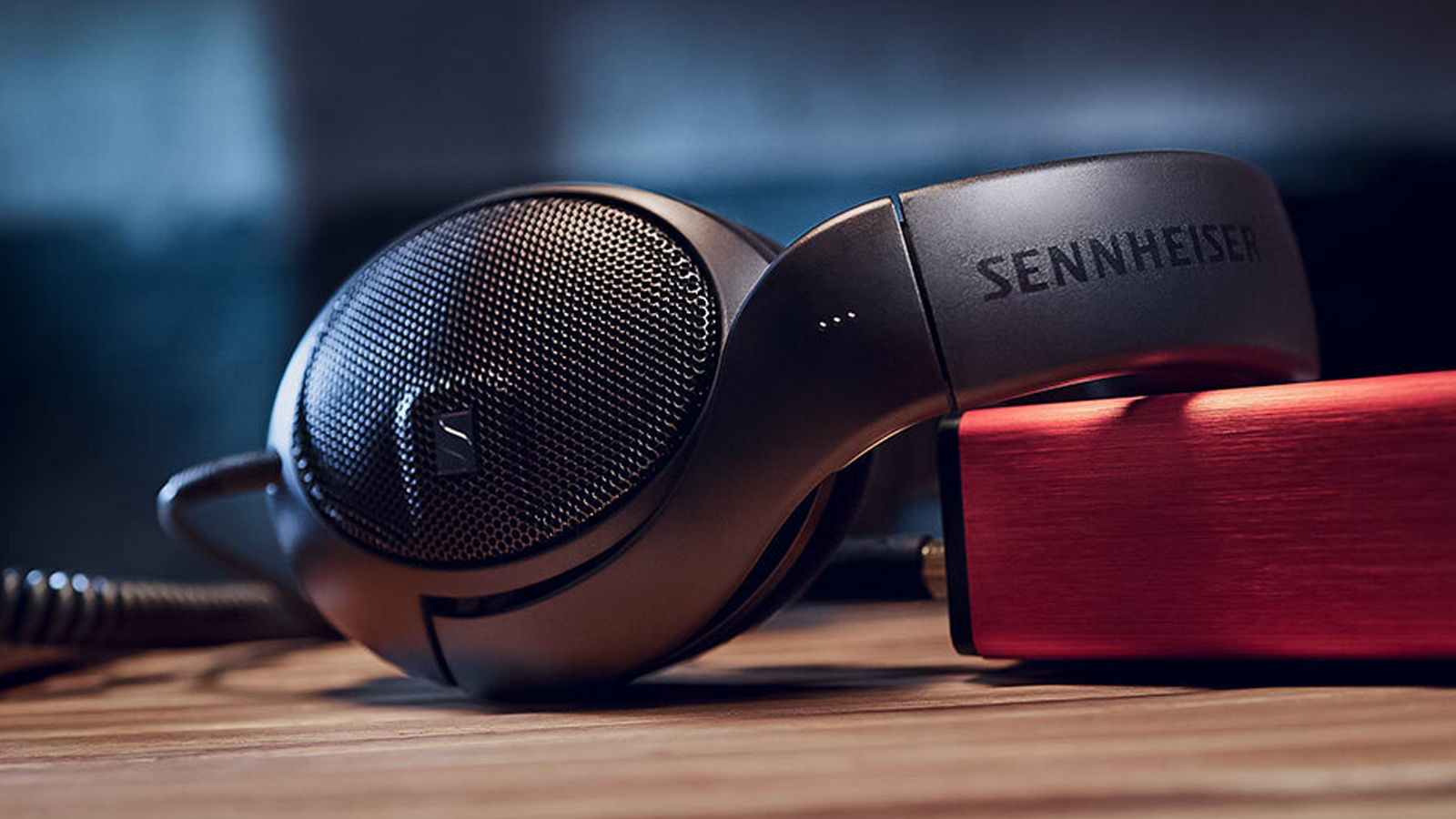
Comprehensive guide to semi-open back headphones covering design, sound characteristics, comfort, and studio applications. Includes frequency analysis of popular semi-open models and buying recommendations.
Semi-Open Back Headphones: The Versatile Middle Ground Explained
The headphone market offers diverse designs optimized for different applications and listening preferences. While most users understand the fundamental distinctions between open-back and closed-back designs, semi-open back headphones occupy a less-defined middle territory. What exactly are semi-open back headphones, and how do they differ from their fully open or closed counterparts?
Understanding Headphone Back Design Fundamentals
Before exploring semi-open designs specifically, understanding the characteristics of open and closed-back headphones provides essential context for evaluating the hybrid approach.
Open-Back Characteristics: Open-back headphones feature perforated ear cups that allow air and sound to pass freely. This design creates advantages for soundstage reproduction—the perception of spatial width, depth, and instrument placement. The acoustic openness more closely approximates natural listening conditions where environmental sounds mix with direct audio.
However, this openness creates challenges in noisy environments. Sound leaks both into and out of open-back headphones, making them inappropriate for public spaces, studios requiring isolation, or any situation where external noise interferes with listening or headphone sound disturbs others.
Closed-Back Characteristics: Closed-back headphones employ completely sealed ear cups that block environmental sound and prevent leakage. This isolation proves essential for tracking applications in recording studios, use in noisy environments, and situations requiring privacy.
The sealed design typically produces more confined soundstage compared to open alternatives. The isolation that provides practical benefits can create less natural spatial presentation—though quality closed-back designs minimize this compromise through careful acoustic engineering.
The Semi-Open Back Design Philosophy
Semi-open back headphones attempt to capture benefits from both design approaches while mitigating their respective limitations. These hybrid designs feature partially open ear cups that allow some sound leakage while maintaining degrees of isolation.
The acoustic philosophy recognizes that human hearing evolved to process sound in environments where direct and reflected sound combines naturally. The complete isolation of closed headphones creates artificial conditions where the brain receives only direct left and right channel information without environmental context that normally aids spatial interpretation.
By introducing controlled openness, semi-open designs provide the brain with more natural acoustic cues. This can enhance spatial perception, soundstage width, and overall listening naturalness compared to fully closed designs. Simultaneously, the partial openness retains more isolation and bass response than fully open alternatives.
Sound Quality Characteristics
Many semi-open back headphones deliver natural, spacious audio profiles that split the difference between open and closed designs. The partial acoustic openness supports soundstage reproduction approaching open-back capabilities while retaining more bass response and isolation than fully open alternatives.
This balance makes semi-open designs suitable for diverse music genres and listening preferences. Users seeking both isolation and spatial presentation find semi-open headphones offering viable compromise solutions where neither fully open nor fully closed designs ideally suit their requirements.
The specific sonic characteristics vary significantly among different semi-open models, as demonstrated by frequency analysis of several popular options discussed below. However, the general tendency toward balanced, natural sound with reasonable soundstage constitutes a common thread among quality semi-open designs.
Comfort and Practical Considerations
Comfort represents crucial factors for extended listening sessions—a consideration frequently raised by users evaluating headphone options. Semi-open back designs offer specific comfort advantages over closed alternatives.
The partial openness provides superior breathability compared to sealed designs. During extended wear, heat and moisture accumulation inside ear cups contribute significantly to listening fatigue. The ventilation inherent in semi-open designs reduces this accumulation, maintaining more comfortable conditions during marathon listening sessions.
Additionally, the intrusion of some outside sound can benefit users who experience balance issues or dizziness from complete acoustic isolation. Some listeners find fully closed headphones create disorienting sensations, while semi-open designs provide enough environmental connection to prevent these symptoms without sacrificing the benefits of headphone listening.
Frequency Response Analysis: Tested Models
To provide concrete data about semi-open back performance, comprehensive frequency analysis of several popular models reveals their acoustic characteristics. All measurements employed binaural microphone recording techniques with reference comparisons between headphone reproduction and original files. Testing occurred 15 times with each model to account for positioning variations on the binaural microphone.
AKG K240 Mark II
The AKG K240 represents one of the most recognized semi-open designs, with long history in professional and prosumer markets. Logarithmic frequency analysis reveals roll-off in lower frequencies below 140Hz, indicating these headphones won’t deliver the deep bass impact of closed designs or bass-enhanced consumer headphones.
A noticeable dip appears around 5kHz, with boost between approximately 7-9kHz. This response shaping creates a particular sonic character—slightly reduced lower midrange with enhanced upper presence. The linear comparison provides additional detail in upper frequency reproduction, confirming the presence boost and high-frequency characteristics.
For studio monitoring and critical listening, users must adapt to these frequency characteristics. The reduced low end won’t suit bass-heavy music production without compensation, while the presence boost can enhance clarity for voice and instrument detail.
Samson SR850
The Samson SR850 offers affordable entry into semi-open back designs, making them accessible for budget-conscious users. Logarithmic analysis shows reasonably accurate bass response—notably better than the AKG K240 in this region—with deviation beginning around 550Hz and smaller variances above 3.5kHz.
This response profile suggests more neutral reproduction than some semi-open alternatives, potentially making the SR850 suitable for mixing applications where accuracy matters. The linear analysis confirms good upper frequency detail with the moderate midrange deviation.
For users seeking semi-open characteristics without extreme bass roll-off, the SR850 represents compelling value. The frequency response proves versatile enough for both critical listening and casual music enjoyment across diverse genres.
Superlux HD681
The Superlux HD681 provides another budget-friendly semi-open option with distinct acoustic characteristics. Logarithmic comparison reveals minor under-representation of low frequencies below 500Hz—more bass roll-off than the Samson SR850 but less than the AKG K240.
More noticeable variance appears between 5-11kHz, where response deviates more substantially from flat. The linear graph shows additional upper range detail, confirming the significant presence region coloration.
These frequency characteristics create a particular sound signature suited to certain applications better than others. The enhanced presence suits detail-oriented listening where clarity takes priority, though the coloration might prove excessive for perfectly neutral monitoring requirements.
Studio Application Considerations
For professional audio applications, semi-open back headphones offer specific advantages and limitations worth understanding before making purchasing decisions.
Monitoring During Recording
The partial isolation of semi-open designs creates potential challenges for tracking applications. While they prevent some headphone bleed into microphones, the leakage exceeds closed-back alternatives. For vocal recording or acoustic instrument tracking with sensitive microphones, fully closed designs provide more reliable isolation.
However, for control room monitoring where microphone bleed doesn’t factor into considerations, semi-open headphones provide natural sound reproduction beneficial for evaluating recordings and making production decisions.
Mixing Applications
The spacious soundstage characteristics that semi-open designs can deliver prove particularly valuable for mixing applications. Accurately placing instruments and vocals within the stereo field requires clear spatial information that semi-open headphones support better than many closed alternatives.
The natural stereo image reproduction aids panning decisions and helps create cohesive mixes that translate well across different playback systems. Quality semi-open designs support accurate soundstage representation while allowing mixers to work in headphones during hours where studio monitor use might disturb others.
Mastering Considerations
During mastering, the goal involves ensuring final masters sound polished and consistent across diverse playback environments. Quality semi-open back headphones can provide detailed information useful for balancing frequency response and dynamic processing.
The natural sound reproduction helps mastering engineers make precise adjustments to EQ, compression, and other effects. The accurate detail retrieval allows identification of subtle artifacts or imbalances requiring correction before distribution.
However, mastering engineers typically employ multiple monitoring systems for cross-referencing decisions. Semi-open headphones represent one valuable tool within larger monitoring ecosystems rather than standalone mastering solutions.
Choosing Semi-Open Back Headphones
For users considering semi-open back headphones, several factors warrant evaluation during the selection process:
Intended Applications: Consider primary use cases. For recording with microphones, closed designs might prove more practical despite semi-open advantages. For mixing, critical listening, and general music enjoyment, semi-open designs offer compelling benefits.
Frequency Response Requirements: Different models exhibit distinct frequency response characteristics. Users requiring accurate bass reproduction should audition models carefully, as many semi-open designs feature bass roll-off that might prove problematic for certain applications.
Comfort Priorities: For extended listening sessions, the breathability advantages of semi-open designs become increasingly significant. Users planning marathon listening periods should prioritize comfort alongside acoustic performance.
Environmental Considerations: Remember that semi-open designs leak sound and allow environmental noise intrusion. Ensure your typical listening environments suit these characteristics before committing to semi-open designs.
Budget Constraints: Quality semi-open headphones exist across wide price ranges. The models analyzed above demonstrate that even affordable options can deliver legitimate performance, though premium offerings typically provide refinements in build quality, comfort, and acoustic precision.
Integration into Audio Workflows
Professional audio workflows increasingly rely on headphones due to home studio prevalence and need for flexibility in monitoring approaches. Semi-open back headphones integrate effectively into modern production environments when their characteristics match specific requirements.
For producers working primarily with electronic music or bass-heavy genres, the bass roll-off in some semi-open designs might prove limiting. However, for mixing acoustic music, jazz, classical, or vocal-focused content, the natural sound reproduction and soundstage capabilities prove beneficial.
Content creators focusing on podcasts, voice-over, or video production will find semi-open designs suitable for editing and monitoring applications—though they should employ closed headphones during actual recording to prevent bleed issues.
Conclusion
Semi-open back headphones represent more than simple compromises between open and closed designs. These hybrid approaches offer specific advantages—natural sound reproduction, spatial presentation, and superior comfort during extended use—that make them genuinely preferable for certain applications and user preferences.
Understanding the acoustic philosophy behind semi-open designs helps users evaluate whether these characteristics suit their particular needs. The frequency analysis of specific models demonstrates that while general trends exist, individual implementations vary significantly in their particular strengths and weaknesses.
For users seeking versatile headphones capable of delivering natural sound across diverse content types with comfort supporting extended listening, semi-open back designs warrant serious consideration. They occupy a legitimate position in the headphone ecosystem rather than representing merely inferior versions of open or closed alternatives.
As with any audio equipment, personal audition remains invaluable when possible. The interaction between headphones and individual hearing, the subjective nature of comfort, and specific application requirements mean that no single design approach suits every user equally. Semi-open back headphones provide compelling options for listeners whose priorities align with their particular combination of characteristics.
Related posts:
 Superlux HD681 Headphones Review: Are These Semi-Open Headphones Still Worth It in 2025?
 One Audio Monitor 80 Headphones Review: Did OneOdio Really Make These Open-Back Budget Champions?
 Philips SHP9600 Review: Affordable Open-Back Headphones with Notable Compromises
 Shure SRH1840 Open-Back Headphones Review: Professional Mastering Excellence
 Philips SHP9500 Review: Budget Open-Back Headphones with Surprising Quality
 Beyerdynamic DT990 Pro 250 Ohm Review: Premium Open-Back Studio Headphones with Signature Sound
 Sennheiser HD599 SE Headphone Review: Accurate Bass & Open Back
 Status Audio CB-1 Headphones Review: Professional Studio Performance at an Accessible Price