


The KRK Classic 5 monitors paired with the 8S2 subwoofer deliver professional sound quality for DJ practice and music production at an accessible entry-level price point.
KRK Classic 5 Monitors and 8S2 Subwoofer Review: Perfect Starter Studio System for DJs
Professional Sound for Beginning Studio Setups
The KRK Classic 5 monitor speakers and 8S2 subwoofer represent an ideal entry point into professional studio monitoring for DJs stepping up from consumer speakers. This combination delivers accurate, powerful sound suitable for both DJ practice and music production without the intimidating cost of high-end monitoring systems.
The KRK Heritage
KRK is synonymous with the iconic yellow woofer cone—a design element that’s become instantly recognizable in studios worldwide. The Classic series continues this aesthetic while updating the engineering for modern performance expectations.
These monitors occupy the entry-level professional category—genuine studio tools at prices accessible to hobbyists and aspiring professionals. They’re designed for DJs and producers who’ve outgrown multimedia speakers or Bluetooth systems and need monitoring that reveals mix details accurately.
Classic 5 Design and Build
The Classic 5 monitors are compact nearfield speakers, designed to sit close to the listener—on desks, stands, or mounting points in home studios. The five-inch woofer and one-inch tweeter are modest in absolute size but deliver surprising output.
Build quality is solid. The vinyl-wrapped MDF cabinet is dense and inert, minimizing resonances that would color the sound. The distinctive yellow aramid fiber woofer cone is both aesthetically striking and functionally superior to conventional materials in stiffness and damping characteristics.
The front-ported bass reflex design is practical for placement flexibility. Many speakers require distance from walls due to rear ports, but front ports allow the Classic 5 to work even in confined spaces like bookshelves or tight desk configurations.
The rounded front edges reduce diffraction effects that can blur imaging, while the professional appearance suits serious studio environments without being overtly flashy.
Connectivity and Controls
The rear panel reveals the active monitor design—each speaker is self-powered with its own amplifier. The Classic 5 provides 55 watts total power per speaker (30 watts for the woofer, 25 watts for the tweeter), delivering Class A/B amplification known for good sound quality and reliability.
Connectivity includes balanced XLR and TRS inputs plus unbalanced RCA—comprehensive options covering professional and consumer gear. For DJ controllers, the RCA inputs work perfectly, carrying the left or right channel from your controller’s stereo output to each respective speaker.
The stepped volume control is clever—it clicks into discrete positions rather than rotating smoothly. This allows precise matching between left and right speakers, crucial for accurate stereo imaging. Once set, volume control typically happens at the source (your DJ controller or mixer) rather than adjusting speakers repeatedly.
High and low frequency adjustment controls provide room tuning. These aren’t performance EQ controls for tweaking sound on the fly—they’re calibration tools for compensating for room acoustics. Boomy room? Reduce the low frequency. Bright space causing fatigue? Reduce the highs slightly. Set them appropriately for your environment and leave them.
Each speaker powers individually with its own AC cord and on/off switch. This might seem inconvenient compared to centralized power, but it’s standard for studio monitors and allows independent control if needed.
Sound Quality
The Classic 5 monitors deliver sound that’s energetic and engaging while remaining accurate enough for critical listening. The frequency response has slight emphasis in areas useful for DJs—the low-mids and upper bass have presence that helps you feel kick drums and bass lines even at modest volumes.
The highs are extended and detailed without being harsh. You can hear cymbal shimmer, hi-hat nuance, and the air around vocals clearly. The imaging is precise—sounds pan across the stereo field with accuracy, making it easy to identify where elements sit in your mix.
Maximum SPL exceeds 100dB, meaning these small speakers can get genuinely loud. You can practice at realistic club volumes without the speakers complaining or distorting. The built-in limiters prevent damage from overdriving while keeping the sound clean at high levels.
For DJ practice, the Classic 5 monitors excel. They reveal enough detail to hear what’s happening in your mixes without being so analytical that you obsess over minute imperfections. They’re forgiving enough for enjoyable listening yet accurate enough to make good mixing decisions.
The 8S2 Subwoofer
The 8S2 subwoofer completes the system by handling low frequencies the compact monitors can’t reproduce fully. An eight-inch driver powered by 100 watts extends the bass response down into true sub-bass territory—the frequencies you feel in your chest at clubs.
The subwoofer connects in-line between your audio source and monitors. Your DJ controller’s output connects to the subwoofer’s inputs, then cables run from the subwoofer’s outputs to each monitor. This signal flow allows the subwoofer’s crossover to manage frequency distribution intelligently.
Subwoofer Integration
The 8S2’s rear panel includes comprehensive controls for integration. The crossover frequency control determines where the subwoofer hands off to the monitors. Higher settings mean the sub handles more frequency range; lower settings relegate it to only the deepest bass.
For five-inch monitors like the Classic 5, setting the crossover relatively high (perhaps 80-100Hz) allows the subwoofer to handle bass duties entirely, letting the monitors focus on mid and high frequencies where they excel. This distribution results in cleaner overall sound with less distortion.
The volume control sets subwoofer output level. Properly integrated, the subwoofer should be felt more than heard—adding weight and impact without calling attention to itself as a separate element.
A polarity switch addresses phase issues. If bass sounds thin or weak despite proper level setting, flipping polarity often solves the problem by ensuring the subwoofer and monitors work together constructively rather than canceling each other.
Input sensitivity switching compensates for different source output levels, and a ground lift helps eliminate potential hum in certain electrical configurations.
A footswitch input allows toggling the subwoofer on and off remotely—useful for producers who want to check how their mixes sound without sub-bass, simulating playback on systems without subwoofers.
Subwoofer Placement
Subwoofer positioning dramatically affects sound quality. Unlike stereo speakers where placement is obvious (left and right of listening position), subwoofers produce omnidirectional low frequencies that interact complex with room dimensions.
The recommended placement method involves temporarily positioning the subwoofer at your listening position, playing bass-heavy content, then walking around your room to find where bass sounds fullest and cleanest. Place the subwoofer in that location—you’re essentially swapping subwoofer and listener positions, but physics works the same either way.
Most home studios default to placing the subwoofer under the desk, which often works adequately. However, spending time optimizing placement pays dividends in bass accuracy and room integration.
System Performance
As a complete system, the Classic 5 monitors plus 8S2 subwoofer provide professional-grade monitoring for home studios at accessible cost. The extended frequency range allows you to hear your mixes fully—nothing is hidden or misrepresented due to speaker limitations.
For DJ practice, the system delivers club-like experience at home. You feel kick drums and sub-bass while hearing every detail of highs and mids. Beatmatching is easy with clear transient response, and you can accurately judge how tracks will work together before attempting transitions.
For music production—remixes, edits, bootlegs, or original productions—the system reveals mix details while remaining forgiving enough that you’re not constantly battling mix issues. The slight colorations work in your favor, emphasizing elements that matter for dance music while maintaining overall accuracy.
Limitations
The Classic 5 monitors are entry-level professional speakers. Higher-end monitors provide more resolution, flatter frequency response, and greater transparency. However, diminishing returns set in quickly—substantially better monitors cost multiples more without proportionally better results for most users.
The Class A/B amplification runs warm. This is normal and expected, but worth noting for small, poorly ventilated spaces where heat buildup could be concerning.
The subwoofer adds complexity and requires proper placement for optimal results. DJs wanting simple, compact solutions might find a 2.1 system (two monitors plus sub) more complicated than desired, though the sonic benefits justify the additional setup effort.
Value Proposition
The combined cost of two Classic 5 monitors plus the 8S2 subwoofer positions this as an excellent-value first professional monitoring system. You’re getting legitimate studio tools suitable for years of use at pricing that won’t devastate hobby budgets.
The KRK brand reputation and widespread use mean resale value holds reasonably well if you eventually upgrade, and the sound quality ensures they remain useful even if relegated to secondary monitoring duties later.
Who Should Buy
DJs stepping up from consumer speakers to their first professional monitors will find this system provides dramatic improvement in sound quality, detail, and bass extension. It’s the setup that makes you realize what you’ve been missing.
Beginning producers who need monitoring that reveals mix decisions accurately while remaining affordable should strongly consider this combination. It provides the foundation for learning production skills without requiring massive investment.
Home studio DJs who practice regularly deserve monitoring that makes practice enjoyable while revealing what’s really happening in their mixes. This system delivers both.
Comparison to Alternatives
Many manufacturers offer entry-level monitors—Yamaha HS series, JBL 3 series, PreSonus Eris, among others. The KRK Classic 5 competes effectively on sound quality and price while offering the iconic aesthetics many associate with professional studios.
The subwoofer is optional—you could start with just the monitors and add the sub later. However, the complete system provides significantly better bass extension important for dance music genres.
Setup Tips
Position monitors so tweeters are at ear level when seated at your production position. Angle them slightly inward (toeing in) so they aim toward your listening position, creating an equilateral triangle between left speaker, right speaker, and your head.
Set the high and low frequency controls flat initially, then adjust based on your room’s characteristics after extended listening. Trust your ears—if something sounds wrong, it probably is.
Allow the speakers to warm up for 15-30 minutes before critical listening. The components perform best at normal operating temperature.
Final Verdict
The KRK Classic 5 monitors paired with the 8S2 subwoofer provide an ideal first professional monitoring system for DJs and producers. The sound quality is genuinely professional while remaining engaging and fun to use. The bass extension from the subwoofer elevates the system dramatically, providing the weight and impact critical for dance music.
Build quality is appropriate for the price point—these are tools designed for regular use rather than delicate instruments requiring special care. The comprehensive connectivity and room adjustment controls ensure compatibility with virtually any setup and ability to optimize for various listening environments.
For DJs ready to invest in their first real studio speakers, this combination delivers professional capabilities without professional price tags. The system will serve reliably through years of DJ practice and music production, providing the accurate monitoring needed to develop skills and create quality work.
The iconic KRK aesthetic adds professional credibility to home studios, while the sound quality ensures you’re making informed decisions about your music. Whether practicing mixing skills or producing original tracks, the Classic 5 plus 8S2 system provides the monitoring foundation necessary for serious development as a DJ and producer.
Related posts:
 Minirig 3 Subwoofer Review: The Ultimate Portable DJ Speaker System Made By DJs, For DJs
 Headphones vs Studio Monitors: 4 Essential Considerations for Audio Production
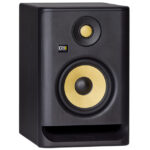 KRK Rokit 5 G4 Studio Monitors Review: Enhanced Features and Warm Sound
 KRK Go:aux 4 Review: Portable Monitors Tuned for DJs on the Go
 Sennheiser HD650 Review: One Year with a Modern Classic
 Etymotic ER3XR In-Ear Monitors Review: Audiophile Sound Quality for Music Lovers and Producers
 Xvive U4 Wireless & T9 In-Ear Monitors Review: Next-Level Stage Freedom?
 AKG K702 Reference Studio Headphones Review: Professional Studio Sound at Mid-Tier Pricing