

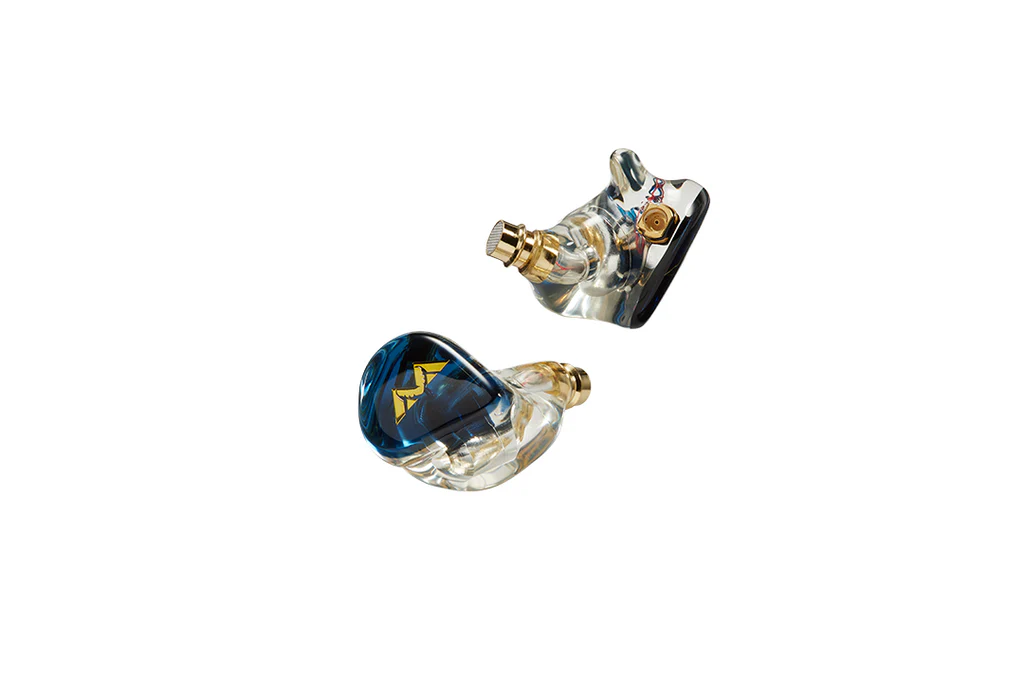
Explore the Kimura Duo in-ear monitors from Antlion Audio in our comprehensive review. Discover sound quality, microphone performance, gaming capabilities, and versatile MMCX connectivity.
Kimura Duo In-Ear Monitors Review: Premium Sound with Integrated Microphone
Introduction: The Headset IEM Revolution
Antlion Audio, the company behind the popular ModMic product line, has ventured into in-ear monitor territory with the Kimura Duo. What sets this IEM apart is the integrated microphone option built directly into the cable system. This unique combination addresses a common need: high-quality audio monitoring paired with communication capability, all in a portable package suitable for gaming, studio work, and everyday listening.
The MMCX Advantage: Modular Flexibility
The Kimura Duo’s most compelling feature may be its MMCX connector system. These industry-standard connectors allow cable swapping between different IEMs, creating remarkable versatility. Users can add the microphone-equipped cable to existing MMCX-compatible IEMs, or use the Kimura Duo with standard cables when microphone functionality isn’t needed.
Antlion Audio also sells the microphone cable separately, enabling users who already own MMCX-equipped IEMs to add headset functionality without purchasing complete new earphones. This modular approach provides flexibility rarely found in the IEM market, where cables typically remain permanently attached or use proprietary connectors.
Sound Quality Analysis
Frequency Response Overview
The Kimura Duo exhibits a distinctive sound signature optimized for enjoyable listening rather than absolute neutrality. Logarithmic analysis of sine wave sweeps revealed several characteristics: bass boost below 50Hz, a subtle dip centered around 500Hz, and elevation around 4kHz and 8kHz that creates a brighter overall character.
Linear analysis confirmed these findings with greater detail, showing the emphasis pattern clearly. This tuning creates what many describe as a “V-shaped” frequency response—enhanced bass and treble with slightly recessed midrange.
Music Performance
Music testing demonstrated the Kimura Duo’s strengths. Strong bass performance below 150Hz provides impactful low-end reproduction that electronic music enthusiasts will appreciate. The 4-9kHz range shows excellent performance with slight elevation above neutral.
The midrange dip, while measurable, appears more pronounced in graphs than it sounds during actual listening. The reason some listeners perceive recessed mids likely stems from the strong 4-9kHz performance rather than dramatic midrange reduction. The logarithmic analysis shows overall frequency deviation remaining moderate despite the measured variations.
Direct comparison against source material confirmed accurate bass representation with the characteristic midrange dip and upper frequency boosts. Linear analysis revealed these variations more prominently, but perceptually the effect remains balanced enough for enjoyable listening across genres.
Isotope Audio Lens Analysis
Real-time spectral analysis using Isotope’s Audio Lens software provided dynamic visualization of the Kimura Duo’s reproduction. The purple reference region representing the original recording contrasted with the white dynamic line showing the IEM’s output.
This visualization confirmed the static measurements while revealing how the Kimura Duo tracks musical dynamics. The IEMs generally stayed within or near the reference range, with deviations appearing primarily in the previously identified frequency regions.
Vocal Reproduction
Male vocals received relatively neutral treatment from the Kimura Duo, with the most noticeable impact appearing in the 8-9kHz range where slight emphasis added clarity. Overall frequency representation through the male vocal range showed moderate, acceptable coloration.
Female vocals experienced more pronounced emphasis in the 8-9kHz region, creating a brighter, more detailed character with enhanced upper-frequency “sizzle.” Linear analysis revealed this characteristic more clearly, though the overall effect remained within reasonable bounds.
The vocal emphasis in upper frequencies benefits some material while potentially fatiguing on others. For full mixes with substantial low-frequency content, female vocals can sound somewhat recessed as bass-heavy instrumentation dominates.
Spoken Word Performance
Spoken word testing revealed the Kimura Duo’s suitability for dialogue applications. The IEMs provided clear, intelligible speech reproduction with slight sibilance emphasis. Since sibilance naturally occurs in the 8-10kHz range where the Kimura Duo shows elevation, this characteristic appears unsurprising.
Some underemphasis around 500Hz affected tonal balance subtly, but not enough to compromise overall clarity. For podcasts, audiobooks, and communication applications, the Kimura Duo performs excellently. The slightly enhanced sibilance could become fatiguing during very long listening sessions, though many users won’t find this problematic.
Gaming Performance
Sound Quality and Balance
Antlion Audio’s gaming heritage shows through in the Kimura Duo’s design. Extended gaming testing revealed capable performance across multiple genres. At moderate volume levels, the frequency response balance works well for gaming audio, though the 8-10kHz emphasis can become problematic at high volumes.
When really loud game audio contains substantial high-frequency content, the upper frequency boost can diminish detail elsewhere in the mix. Footsteps, distant sounds, and subtle environmental cues may become harder to distinguish when competing with emphasized treble. At reasonable listening levels, however, balance remains acceptable.
For listeners who prefer moderate volumes, the Kimura Duo handles gaming audio competently. Those who push volume to extreme levels might consider EQ adjustment, though the lack of a companion app means system-wide or in-game EQ becomes necessary.
Soundstage and Imaging
Soundstage performance proved impressively expansive for in-ear monitors. Creating a wide spatial impression with IEMs presents significant engineering challenges, yet the Kimura Duo achieves results at least matching competitors in this price range. For gaming, this expanded soundstage creates immersive environments that enhance the experience.
Imaging performance excelled, with accurate stereo positioning and well-defined instrument placement in the soundstage. Despite the inherent challenges of creating stereo image presence with IEMs—something even full-size headphones struggle with—the Kimura Duo delivered surprisingly good results.
The combination of expanded soundstage and accurate imaging makes these IEMs excellent for gaming, particularly for users seeking portable solutions or preferring the IEM form factor.
Microphone Performance
Basic Quality Assessment
The integrated microphone captured voice clearly enough for video calls, voice chat, and communication applications. Testing in a realistic, non-studio environment—deliberately chosen to represent actual use conditions—revealed practical performance characteristics.
Impressively, playback monitoring revealed minimal movement noise despite the microphone’s connection to the ear-worn IEM. The expected cable rustling and movement artifacts remained largely absent, demonstrating effective mechanical isolation. Testing with deliberate movement confirmed this excellent noise rejection.
Professional Setup
Testing the microphone through a Camden 500 preamp using a RODE VXLR Pro adapter (converting 3.5mm TRS to XLR with phantom power step-down) revealed the microphone’s maximum potential. Connected to an Antelope Orion 32 audio interface through quality preamplification, the microphone demonstrated its best performance.
While not designed for high-end vocal recording, the microphone handles communication tasks admirably. Gaming voice chat, video conferencing, and even studio talkback applications remain within its capabilities. An engineer could use this system as a wireless talkback microphone when paired with appropriate wireless equipment, allowing mobile communication with performers.
Frequency Response
The microphone’s 100Hz to 10,000Hz frequency response serves communication purposes effectively. The limited low-end response helps reduce rumble and handling noise, while the 10kHz upper limit proves adequate for spoken word intelligibility. Vocal recording applications might desire more extended response, but for the intended communication uses, the specification proves appropriate.
Build Quality and Design
Construction Excellence
Build quality exceeds expectations throughout the Kimura Duo. The resin bodies feel substantial and well-finished with impressive aesthetic appeal. The cable quality strikes an appropriate balance between strength and flexibility, avoiding both excessive stiffness and flimsy construction.
The adjustable ear hooks accommodate various ear shapes and sizes, maintaining position securely during wear. Extensive adjustment, removal, and replacement during testing revealed no degradation or loosening of components.
Accessories and Packaging
Multiple ear tip sizes accommodate different ear canal dimensions, ensuring proper fit and seal. The hard shell case provides protection for storage and transport, though the compact design requires cables to be wound, preventing storage with custom adjustments in place.
The cable includes a clothing clip for securing and strain relief during mobile use. Dual 3.5mm jacks (separate for audio and microphone) plus a TRRS adapter ensure compatibility across devices. This comprehensive approach to connectivity eliminates compatibility concerns with computers, phones, gaming consoles, and other equipment.
Microphone Design
The microphone boom features sufficient rigidity to maintain position while allowing adjustment for optimal placement. Positioning the microphone appropriately for various users and applications presents no difficulties.
Technical Specifications
Key specifications include:
Frequency Response: Extended to 30,000Hz, providing upper frequency reach well beyond audibility, though with measured rolloff in extreme highs
Impedance: 24 ohms, ensuring easy driving from any source including phones, computers, and wireless packs
Sensitivity: 125dB, delivering high output levels when needed
Microphone Response: 100Hz to 10,000Hz, optimized for spoken word with low-end rumble reduction
Connector: MMCX standard, enabling cable swapping and customization
The low impedance and high sensitivity make the Kimura Duo genuinely portable, requiring no amplification for adequate volume from any source. For mobile applications or wireless monitoring systems, this efficiency proves essential.
Versatility Across Applications
Studio Monitoring
For in-ear monitor applications in studio settings, the Kimura Duo delivers capable performance. The slight coloration remains learnable, and when paired with wireless systems, these IEMs could serve performers during tracking. The microphone capability adds talkback functionality for engineers who want mobile communication with the control room.
The MMCX connector compatibility means studios with existing MMCX-based IEM systems can integrate the microphone cable selectively when communication capability benefits the workflow.
Gaming Excellence
The Kimura Duo excels for gaming applications where Antlion Audio’s expertise shines through. The integrated microphone eliminates the need for separate headset equipment, while the sound quality and imaging support immersive gaming experiences.
At moderate listening levels, the frequency response balance handles game audio well across genres. The portable form factor suits LAN parties, travel gaming, and space-constrained setups where full-size gaming headsets prove impractical.
General Listening
For everyday music listening, the Kimura Duo provides enjoyable sound with enhanced bass and treble creating an engaging presentation. The slight coloration suits popular music genres well, providing impact and detail enhancement that many casual listeners prefer over strict neutrality.
The comfortable fit supports extended listening sessions, while the portable design and included case make these IEMs viable for commuting, travel, and mobile listening where full-size headphones prove impractical.
Who Should Buy the Kimura Duo?
The Antlion Audio Kimura Duo suits several user profiles:
Gamers: Those seeking high-quality audio with integrated communication capability will appreciate the all-in-one design that eliminates separate microphone equipment while delivering good sound and imaging.
Mobile Users: Anyone wanting portable IEMs with microphone capability for calls, voice chat, and communication while traveling or commuting benefits from the compact, versatile design.
Studio Professionals: Engineers and performers using wireless IEM systems can add the microphone cable for talkback capability, creating flexible monitoring and communication solutions.
MMCX IEM Owners: Existing IEM users can purchase just the microphone cable to add headset functionality to compatible earphones, providing remarkable flexibility.
Content Creators: Video producers, streamers, and podcasters gain monitoring and communication capability in a single, portable package suitable for mobile production work.
Limitations to Note
While the Kimura Duo excels in many areas, some limitations deserve consideration. The emphasized upper frequencies can become fatiguing at high volumes or during very extended listening sessions. Listeners sensitive to treble emphasis should audition before purchasing.
The lack of companion app limits customization options. Users wanting EQ adjustment must rely on system-wide solutions rather than headphone-specific tuning.
The compact case, while protective, requires cable winding that prevents storage with ear hooks pre-adjusted to personal preference. Users must readjust fit each time they retrieve the IEMs from storage.
For critical mixing and mastering applications, the frequency response coloration makes the Kimura Duo less than ideal. Studio professionals should consider these IEMs for tracking monitoring and communication rather than critical listening.
Final Verdict
The Antlion Audio Kimura Duo successfully combines high-quality in-ear monitor sound with integrated microphone capability, creating versatile equipment for gaming, communication, and general listening. The MMCX connector system provides remarkable flexibility, allowing cable swapping and modular configuration rarely found in this product category.
Sound quality proves excellent for the price point, with engaging bass response and detailed treble creating enjoyable listening across genres. The slight frequency response coloration suits casual listening and gaming well, though critical audio work demands more neutral alternatives.
The microphone performs admirably for communication applications, delivering clear voice reproduction with impressive movement noise rejection. Combined with the sound quality and build excellence, the Kimura Duo represents compelling value for users seeking the specific combination of IEM audio quality and headset functionality.
After comprehensive testing across gaming, music listening, studio applications, and communication uses, the Kimura Duo earns a strong recommendation for anyone seeking versatile IEMs with integrated microphone capability. The modular design, build quality, and performance create a unique product that successfully serves multiple use cases without significant compromise.
Related posts:
 Beyerdynamic DT990 Pro 250 Ohm Review: Premium Open-Back Studio Headphones with Signature Sound
 Tipsy M3 IEM Review: Pro-Level Sound for Serious Listeners
 Adam Audio A4V Studio Monitors Review: Smart Speakers with Custom Sound for DJs and Producers
 Etymotic ER3XR In-Ear Monitors Review: Audiophile Sound Quality for Music Lovers and Producers
 KRK Rokit 5 G4 Studio Monitors Review: Enhanced Features and Warm Sound
 Beyerdynamic DT 700 Pro X Review: Premium Studio Headphones with Unique Character
 XVIVE U3 Wireless System Review: Make Any Speaker or Microphone Wireless
 SOUNDPEATS Air 5 Pro Earbuds Review: Premium Features at Affordable Pricing