

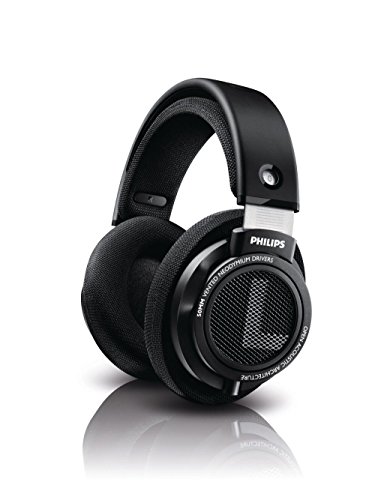
Explore the Philips SHP9500 open-back headphones in our detailed review. Discover frequency response, comfort, build quality, and performance for mixing, gaming, and general listening.
Philips SHP9500 Review: Budget Open-Back Headphones with Surprising Quality
Introduction: Affordable Open-Back Excellence
The Philips SHP9500 represents an intriguing proposition in the crowded headphone market: genuinely capable open-back headphones at budget pricing. Open-back designs traditionally command premium prices due to their acoustic advantages for critical listening, making the SHP9500’s accessibility remarkable. After 24 hours of break-in and comprehensive testing across multiple applications, these headphones prove that accessible pricing doesn’t necessarily mean compromised performance.
Unboxing and First Impressions
The SHP9500 arrives in consumer-oriented packaging—practical rather than premium, but adequately protective. Inside the outer sleeve, an inner box provides additional protection during shipping, ensuring safe arrival.
The package contents remain minimal: the headphones, a single cable, and a quarter-inch adapter. Unlike some competitors offering multiple cable options, the SHP9500 includes only one cable—a long straight design adequate for most applications. While some users might prefer coiled cable options, the included length proves sufficient for typical use cases.
First handling reveals impressively lightweight construction with decent build quality. The headphones feel solid without excessive heft, and the open-back design becomes immediately apparent through visual inspection. Initial impressions suggest reasonable construction for the price point, with no concerning flex or cheap feeling components.
Sound Performance: Comprehensive Analysis
Testing Methodology
Comprehensive audio testing utilized tone generator sweeps, music samples, and spoken word recordings. The methodology compared direct recordings through a Focusrite Scarlett 8i6 interface against recordings made through the SHP9500 using an AKG P170 microphone. Both linear and logarithmic frequency analysis provided insights into measured performance and perceptual reality.
Tone Generator Sweep Analysis
Linear frequency comparison of the 20-20,000Hz tone sweep revealed obvious rolloff in high-frequency response, with a noticeable dip around 9kHz and reduction at the top end. Accounting for the P170’s frequency response (which shows slight emphasis in this range), the SHP9500 clearly reduces high-frequency output compared to the source material.
The logarithmic comparison—which better approximates human hearing—showed more even response than the linear view suggested. While confirming rolloff in extreme lows and highs, the logarithmic analysis revealed reasonably consistent performance through the critical midrange frequencies.
This distinction between linear measurement and logarithmic interpretation proves important. The SHP9500 delivers more balanced sound than raw linear measurements might suggest, though the high-frequency reduction remains audible and measurable.
Music Reproduction
Linear music analysis confirmed the tone sweep findings: faithful reproduction in lower frequencies with progressive rolloff in higher ranges. A noticeable gap appeared in the midrange, suggesting potential coloration affecting tonal balance.
The logarithmic music comparison revealed more encouraging results. Response proved fairly faithful when viewed through the lens of human hearing, with moderate dip in low-end and some missing high-range information. However, the overall reproduction tracked the original recording reasonably well.
For headphones in this price range, the SHP9500 delivers surprisingly accurate music reproduction. While not matching high-end references, the frequency response proves adequate for enjoyable listening and even light mixing applications once users learn the headphones’ characteristics.
Spoken Word Performance
Spoken word testing revealed the SHP9500’s limitations most clearly. Linear analysis showed generally accurate profile reproduction with some missing high-frequency information—a pattern consistent across all tests.
The logarithmic comparison confirmed what listening revealed: reduced high-end presence and clarity. Spoken word playback sounded slightly muffled compared to the original recording, lacking the presence and sparkle that higher frequencies provide.
This characteristic matters most for spoken word applications. Podcast editing, voice-over work, and dialogue mixing could lead to over-boosting presence frequencies as engineers compensate for what the headphones don’t reveal. Users working with spoken word should verify their work on alternative monitoring systems to ensure appropriate frequency balance.
The same limitation affects music mixing to a lesser degree. Upper frequency elements like cymbals, hi-hats, and vocal air could receive excessive emphasis as engineers compensate for the SHP9500’s reduced high-frequency output.
Gaming Performance
Gaming testing revealed mixed results. The SHP9500 handles game audio reasonably well, with accurate low and midrange reproduction providing solid foundation for environmental sounds, dialogue, and music. However, the high-frequency rolloff affects certain gaming scenarios.
Very soft, high-pitched sounds—distant footsteps, subtle environmental cues, quiet rustling—may become less prominent than on more extended-treble headphones. For casual gaming this proves inconsequential, but competitive players in genres requiring maximum detail detection might find the limitation problematic.
Conversely, the exceptional comfort supports marathon gaming sessions without fatigue. The open-back design creates natural spaciousness that enhances immersion, particularly in single-player, story-driven games where atmosphere matters more than competitive precision.
For general gaming, streaming, and media consumption, the SHP9500 performs capably. The comfortable fit, decent sound quality, and open-back spatial characteristics create enjoyable experiences across game genres.
Comfort: A Standout Feature
The SHP9500’s most impressive characteristic may be its exceptional comfort. The lightweight construction—weighing approximately one kilogram—minimizes fatigue during extended wear. Testing confirmed that the headphones remain comfortable for hours without creating pressure points or excessive heat buildup.
The open-back design allows airflow, dramatically reducing the warmth accumulation that plagues closed-back alternatives. This ventilation proves particularly valuable during summer months or in warm environments where closed-back headphones become uncomfortably hot.
Ear pad size provides generous accommodation for most ear sizes. The pads feature adequate depth and circumference, preventing ears from contacting the driver housings—a comfort issue common with smaller designs.
Clamping force strikes an appropriate balance between secure positioning and comfort. The headphones stay in place during normal movement without creating excessive pressure that leads to discomfort or headaches during extended sessions.
Build Quality and Design
Construction Assessment
The SHP9500 utilizes predominantly plastic construction throughout. While some might prefer more metal components, the plastic feels adequately solid for the price point. No concerning flex or creaking appeared during testing, suggesting reasonable durability for normal use.
The adjustment mechanism features detent notches providing tactile feedback and positioning reference. While not locking rigidly, the adjustments stay in place during use without unwanted movement.
The ear cups swivel in both directions, ensuring proper fit across various head shapes. This bi-directional movement proves superior to single-direction designs, accommodating more users comfortably.
Cable Considerations
The included cable measures approximately three meters—lengthy enough for studio use without extensions. However, the cable material proves problematic. The very rubbery, sticky texture catches on clothing and surfaces, creating frustration during movement.
The cable’s length combined with its sticky character means tangles form easily. Many users will wish for a coiled cable option or at minimum a different cable material that slides more freely. The sticky cable represents the SHP9500’s most obvious design flaw.
The cable uses standard 3.5mm connections on both ends—a common configuration that enables easy replacement if the original cable fails or users desire different options. The included quarter-inch adapter threads onto the 3.5mm plug, providing compatibility with professional equipment.
Ear Pad Design
The ear pads utilize breathable material that enhances the open-back design’s natural ventilation advantages. The padding feels adequate without excessive squish or firmness. Pad replacement, should it become necessary, appears straightforward given the standard mounting system.
Technical Specifications
Key specifications include:
Design: Open-back, over-ear configuration with 50mm drivers
Driver Material: Neodymium magnet drivers for efficient operation
Impedance: 32 ohms, ensuring easy driving from any source
Sensitivity: 101dB, providing adequate output from portable devices and professional equipment
Maximum Input: 200 milliwatts, suitable for typical listening levels
Frequency Response: Specified 12Hz to 35,000Hz, though testing suggests limited high-frequency extension in practice
Cable Length: 3 meters straight cable with 3.5mm connections
Weight: Approximately 1 kilogram (just over 2 pounds), contributing to exceptional comfort
The 32-ohm impedance ensures universal compatibility. Testing confirmed adequate volume from iPhone XR, Scarlett 8i6 interface, and desktop PC without amplification. Any modern source will drive the SHP9500 to comfortable listening levels.
Isolation Characteristics
As open-back headphones, the SHP9500 provides virtually no isolation from environmental noise. Ambient sounds intrude freely on the listening experience, while headphone audio leaks significantly to the surrounding environment.
This characteristic restricts appropriate use cases. Shared spaces where audio leakage disturbs others become problematic. Recording monitoring where microphone bleed matters eliminates the SHP9500 from consideration. Noisy environments where ambient sound intrusion degrades the listening experience prove unsuitable.
However, for quiet, private listening spaces, the open-back design’s advantages—natural soundstage, reduced pressure buildup, minimal resonance—justify the isolation compromise. Home listening rooms, personal offices, and private studios benefit from the open-back configuration.
Professional Applications
Mixing and Production
For mixing applications, the SHP9500 requires awareness of its limitations. The reduced high-frequency response means engineers must compensate or verify their work on alternative systems. Upper frequency elements risk being over-emphasized as users boost what the headphones don’t reveal clearly.
However, for learning audio production or working on budget constraints, the SHP9500 provides adequate monitoring once users understand its characteristics. Many successful productions come from modest monitoring systems, provided engineers learn their equipment thoroughly.
The headphones reveal mix balance and spatial positioning adequately for project studio applications. While not replacing high-end references, the SHP9500 enables productive work at accessible pricing.
General Listening
For music listening, the SHP9500 excels. The slightly warm character created by high-frequency rolloff proves non-fatiguing for extended sessions. The comfortable fit supports hours of listening without discomfort, making these headphones ideal for casual enjoyment.
The open-back soundstage creates a more natural, spacious presentation than closed-back alternatives at similar pricing. While not approaching the out-of-head experience of speakers, the SHP9500 delivers expanded spatial impression enjoyable for immersive listening.
Media Consumption
For video content, movies, and general media consumption in appropriate environments, the SHP9500 performs well. The comfortable fit and adequate sound quality support marathon viewing sessions. The open-back design allows environmental awareness—hearing doorbells, phone calls, or family members—which some users prefer over complete isolation.
Value Comparison
At its typical price point, the SHP9500 represents extraordinary value. Open-back headphones generally command premium pricing, making the SHP9500’s accessibility remarkable. The combination of sound quality, comfort, and open-back design at this price creates compelling value for budget-conscious users.
For comparable performance in open-back headphones, users typically spend considerably more. The SHP9500 makes open-back listening accessible to enthusiasts and professionals working within tight budgets.
However, users requiring flat frequency response should consider alternatives like the Audio-Technica ATH-M40X, which delivers more neutral sound despite closed-back design and less comfortable fit. The choice depends on priorities: comfort and open-back spaciousness versus maximum neutrality and isolation.
Who Should Buy the SHP9500?
The Philips SHP9500 suits several user profiles:
Budget Audiophiles: Music enthusiasts wanting open-back spatial presentation without premium pricing will appreciate the SHP9500’s accessible excellence.
Comfort Seekers: Users prioritizing comfort for extended sessions benefit from the lightweight design and excellent wearability.
Home Listeners: Those with quiet, private listening environments can exploit the open-back advantages without isolation concerns.
Casual Gamers: Players wanting comfortable headphones for long gaming sessions in appropriate environments will find the SHP9500 capable and fatigue-free.
Entry-Level Producers: Aspiring audio professionals learning production basics on tight budgets gain adequate monitoring at accessible pricing.
Who Should Look Elsewhere?
Some users will find better matches in alternative headphones:
Critical Mixing Engineers: Professionals requiring maximum frequency response accuracy should invest in more neutral references.
Portable Users: The open-back design and long cable make portability impractical. Commuters and travelers need closed-back, portable alternatives.
Shared Space Users: The sound leakage and lack of isolation make the SHP9500 unsuitable for offices, libraries, or shared living spaces.
Competitive Gamers: Players requiring maximum detail resolution and positioning accuracy might prefer alternatives with extended high-frequency response.
Spoken Word Professionals: Podcast editors and voice-over engineers should consider more neutral alternatives that reveal presence frequencies accurately.
Final Verdict
The Philips SHP9500 successfully delivers open-back sound quality and exceptional comfort at budget pricing. The frequency response, while showing reduced high-frequency extension, remains adequate for enjoyable listening and light production work. The comfort proves genuinely outstanding, supporting marathon listening sessions without fatigue.
For users with appropriate listening environments—quiet, private spaces where sound leakage doesn’t matter—the SHP9500 provides remarkable value. The open-back advantages of natural soundstage and reduced resonance become accessible at pricing typically associated with closed-back budget models.
The limitations deserve consideration. The reduced high frequencies affect critical listening applications, and the problematic cable mars the otherwise positive experience. However, these compromises prove acceptable given the overall value proposition.
After comprehensive testing across mixing, gaming, and general listening, the SHP9500 earns a recommendation for budget-conscious users seeking open-back comfort and adequate sound quality in appropriate environments. While not competing with premium references, the Philips SHP9500 delivers surprising capability at accessible pricing, making open-back listening available to enthusiasts and professionals working within budget constraints.
For those wanting comfortable, open-back headphones for home listening and willing to accept moderate frequency response coloration, the SHP9500 represents excellent value that punches well above its price class.
Related posts:
 One Audio Monitor 80 Headphones Review: Did OneOdio Really Make These Open-Back Budget Champions?
 Philips SHP9600 Review: Affordable Open-Back Headphones with Notable Compromises
 Superlux HD681 Headphones Review: Are These Semi-Open Headphones Still Worth It in 2025?
 OneOdio Monitor 60 Review: Surprising Performance from Closed-Back Studio Headphones
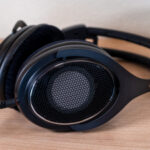 Shure SRH1840 Open-Back Headphones Review: Professional Mastering Excellence
 Sennheiser HD599 SE Headphone Review: Accurate Bass & Open Back
 M-AUDIO HDH40 Headphone Review: A Real Budget Option?
 Behringer BH470 Studio Monitor Headphones Review: Budget-Friendly but Compromised