

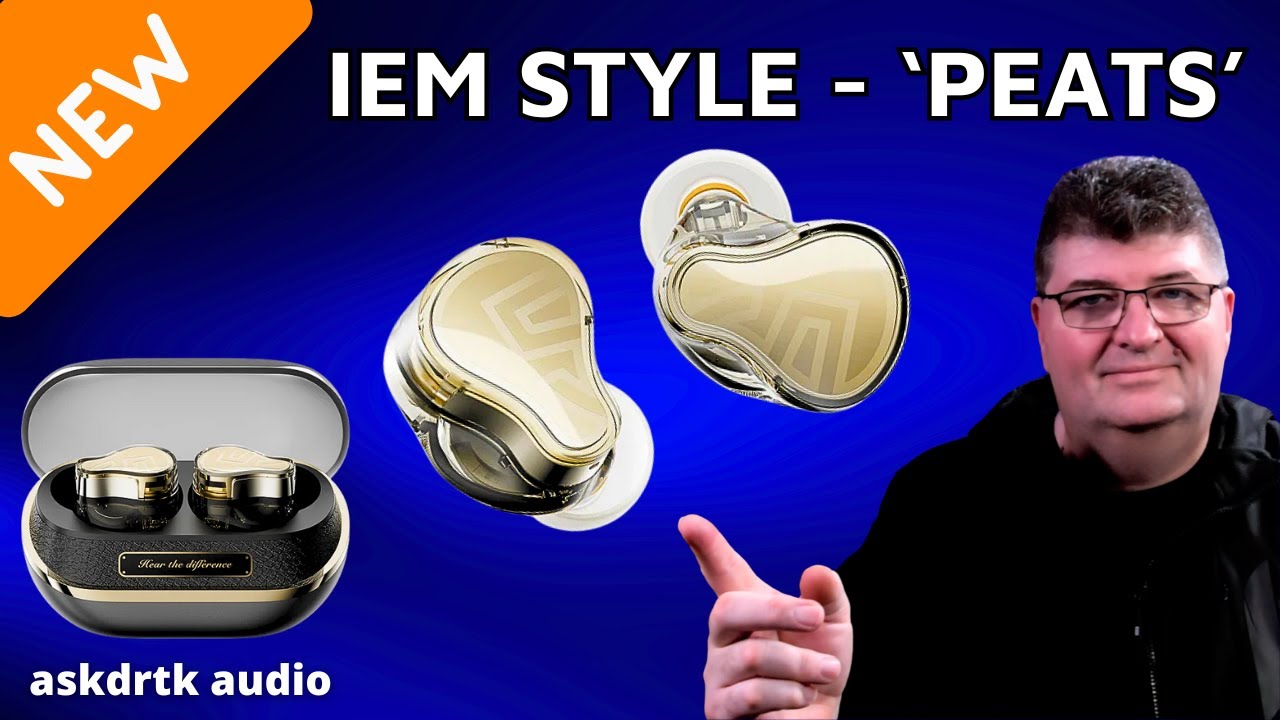
Complete review of the SOUNDPEATS H3 in-ear monitor style earbuds featuring triple-driver architecture. Explore the sound quality, comfort, battery life, and value of these innovative earbuds designed for music lovers.
SOUNDPEATS H3 Review: IEM-Style Earbuds with Triple Drivers for Music Enthusiasts
The wireless earbud market has become saturated with similar-looking products competing primarily on price and features. The SOUNDPEATS H3 takes a different approach by incorporating in-ear monitor (IEM) design principles into a true wireless earbud form factor. With a three-driver architecture and IEM-style fit, SOUNDPEATS aims to deliver superior sound quality and practicality for music lovers. But does this hybrid approach successfully combine the best of both worlds?
Understanding IEM-Style Design
Before exploring the H3 specifically, it’s important to understand what differentiates IEM-style earbuds from traditional designs:
Traditional Earbuds: These feature a pod-style housing that protrudes from your ear, hanging down below the earlobe. While convenient for quick insertion, this design is vulnerable to being bumped or dislodged during movement.
IEM-Style Design: Drawing from professional in-ear monitors, this approach fits the earbud body within the contours of your outer ear rather than hanging below it. The result is a lower profile, more secure fit, and reduced vulnerability to accidental dislodging.
The IEM approach also enables different acoustic architecture. With the driver positioned closer to the ear canal, engineers can implement multi-driver designs more effectively.
The Three-Driver Architecture
The H3’s defining feature is its triple-driver configuration. While many earbuds use single dynamic drivers to reproduce the entire frequency spectrum, multi-driver designs assign different frequency ranges to specialized drivers:
This frequency separation theoretically enables more accurate, detailed reproduction across the entire audible range. The bass driver handles low frequencies without compromising midrange clarity. The midrange driver focuses on vocals and fundamental tones. The high-frequency driver manages treble detail and extension.
Whether this theoretical advantage translates to audible improvements depends on implementation quality—not all multi-driver designs outperform well-executed single-driver alternatives.
Sound Quality and Frequency Response
Frequency Analysis
Examining the H3’s frequency response reveals mostly reasonable behavior with expected variations:
The reality is that perfectly flat frequency response in earbuds or IEMs is impossible—ear canal shape, insertion depth, and earbud geometry all affect the response. The H3 shows deviations but nothing suggesting lopsided emphasis toward any particular frequency region.
Bass Response: There’s modest emphasis in the bass region—present but not overwhelming. The H3 doesn’t attempt to be bass cannons; they provide adequate low-frequency presence for musical foundation without excessive boom.
Midrange: The midrange shows some variation, with certain frequencies slightly elevated or recessed depending on program material. However, nothing is dramatically emphasized or scooped, allowing vocals and fundamental tones to come through naturally.
Treble: The high frequencies avoid excessive brightness or piercing character. The H3 doesn’t emphasize sibilance regions, which contributes to their non-fatiguing character during extended listening.
Subjective Sound Character
Listening to the H3 reveals their pragmatic, music-focused tuning:
The bass provides satisfying presence across genres without dominating or overwhelming. Electronic music, hip-hop, and bass-heavy production receive adequate low-end support. Acoustic and classical music maintains proper tonal balance without excessive bass coloration.
The midrange clarity allows vocals to shine. Whether male or female, lead or background, vocals come through clearly without artificial emphasis or recession. Instruments occupy their proper space in the mix without fighting for attention.
The treble extension provides sparkle and air without fatigue. Cymbals, strings, and high-frequency details are present and clear without the sharp, brittle character that makes extended listening uncomfortable.
Content-Dependent Variation
Interestingly, the H3’s perceived frequency balance varies somewhat by content. Some recordings seem to emphasize bass more, others present midrange more forwardly, and others highlight treble detail. This variation is actually normal—different mixing and mastering approaches interact differently with specific frequency response curves.
The H3’s relatively balanced approach means they don’t dramatically color any particular genre or recording style, allowing music to present itself naturally.
Music Performance Across Genres
The H3’s balanced approach serves diverse musical styles well:
Pop and Contemporary: Modern production benefits from the clarity and detail without excessive bass emphasis. Vocals sit properly in dense, complex mixes.
Rock and Alternative: Guitar tones, drums, and vocals all maintain proper balance and presence. The adequate bass anchors rock music without making it muddy.
Electronic and EDM: The bass response handles electronic music admirably without attempting bass-cannon levels of emphasis. Synth textures and high-frequency details come through clearly.
Classical and Orchestral: The tonal balance serves acoustic instruments well, maintaining proper timbre across the orchestra. The non-fatiguing treble allows extended classical listening.
Jazz and Acoustic: Intimate recordings benefit from the clarity and detail without harsh emphasis. Acoustic instruments sound natural and properly rendered.
Vocal Excellence
Both male and female vocals receive excellent treatment from the H3:
The midrange clarity ensures voices come through with proper intelligibility and presence. Subtle articulations, breath control, and emotional nuance are all clearly rendered.
The lack of excessive treble emphasis means sibilance remains controlled and natural. Singers don’t sound artificially sharp or brittle.
The adequate bass provides proper body and warmth to voices, preventing thin or reedy character while avoiding muddiness or boxiness.
For vocal-forward music and spoken word content, the H3 excels.
Spoken Word and Podcast Performance
For audiobooks, podcasts, and video content, the H3 delivers excellent results:
Speech intelligibility is outstanding. Every word comes through clearly without excessive processing or coloration. The balanced frequency response means you hear natural voice character rather than emphasized or recessed frequencies.
The non-fatiguing treble is crucial for extended listening sessions. You can consume hours of podcast content or audiobook material without the ear fatigue that bright, aggressive earbuds create.
The comfort factor (addressed below) combines with the sonic character to make the H3 genuinely pleasant for long-form spoken content consumption.
Gaming Performance
While not specifically marketed for gaming, the H3 proves surprisingly capable:
The three-driver architecture provides adequate imaging for spatial awareness. While not exceptional compared to purpose-built gaming headsets, positional audio is clear enough for casual gaming.
The immersion factor is good. The sealed design creates isolation from external distractions, and the balanced sound profile makes game audio engaging without artificial emphasis.
The soundstage isn’t particularly expansive—typical for IEM-style earbuds. You won’t get the wide, out-of-head experience that open-back headphones provide, but the presentation is adequate for gaming purposes.
The biggest gaming advantage is comfort. The secure, low-profile fit means you can game for hours without the pressure fatigue or heat buildup that over-ear headphones create.
Build Quality and Design
The H3 demonstrates thoughtful design and quality construction:
Charging Case
The plastic charging case features a smoked acrylic top that allows you to see the earbuds inside—a nice aesthetic touch. USB-C charging is convenient and modern. The case includes a battery that provides multiple charge cycles, ensuring you won’t run out of power during extended outings or travel.
The magnetic positioning ensures the earbuds align properly for charging—a small detail that improves daily usability.
Earbud Construction
The IEM-style housings are larger than typical earbud pods but fit within the ear contours rather than protruding. The build quality feels solid without excessive weight.
The water resistance makes them practical for sports and outdoor use. Sweat, light rain, and humid conditions won’t damage them, adding versatility beyond pure listening applications.
Fit and Comfort
The IEM design provides several comfort advantages:
First, the low-profile fit means they’re less likely to be bumped or dislodged during movement. Whether you’re exercising, commuting in crowded spaces, or simply turning your head quickly, the H3 stays secure.
Second, the reduced profile is more comfortable for side sleeping and reclining—though sleeping in any earbuds requires caution.
Third, the secure fit provides good passive isolation, blocking external noise effectively.
The H3 includes five different sizes of silicone ear tips—generous provision that ensures virtually everyone can find proper fit. Proper tip selection is crucial for both comfort and sound quality, so the variety is valuable.
SOUNDPEATS App Integration
The H3 works with the SOUNDPEATS app, providing control over various features and settings. While testing didn’t extensively explore every app function, the available controls include typical wireless earbud features: EQ adjustment, touch control customization, firmware updates, and other convenience features.
The app adds value by allowing some sound customization for users who want to adjust the response to personal preferences.
Battery Life
Battery performance is excellent—among the best in the category. The earbuds provide impressive playtime per charge (approximately 35-37 hours total with the charging case), meaning you can use them all day without battery anxiety.
The charging case provides multiple full recharges, ensuring you’ll get through several days or even a full week of typical use between charging the case itself.
The USB-C charging is convenient, though the absence of USB-C-to-C cable in favor of USB-A-to-C is slightly dated. A C-to-C cable with an A adapter would better serve modern device ecosystems.
Accessories and Packaging
The H3 arrives with a complete accessory package:
- Five sizes of silicone ear tips
- USB-A to USB-C charging cable
- User guide with helpful information and color images
- Decorative stickers
The packaging itself is well-designed with a magnetic closure—nice attention to presentation that suggests care in the overall product experience.
Water Resistance
The H3 features water resistance suitable for sports and outdoor use. While not submersible, they’ll handle sweat, rain, and humid conditions without issue. This expands their utility beyond pure listening into active lifestyle applications.
Value Proposition
At launch (though often on promotional pricing), the H3 delivers good value for users prioritizing sound quality:
The three-driver architecture, IEM-style design, extensive battery life, water resistance, and five ear tip sizes combine to create a comprehensive package. The build quality suggests longevity rather than disposable electronics.
Compared to alternatives at similar prices, the H3 competes well on sound quality while offering practical advantages in comfort and battery life.
Who Should Buy the SOUNDPEATS H3?
Ideal Users
- Music enthusiasts prioritizing sound quality over extra features
- Commuters and travelers needing all-day battery life
- Active users requiring secure fit and water resistance
- Podcast and audiobook listeners who value non-fatiguing sound
- Multi-purpose users wanting earbuds for music, calls, and casual gaming
- Comfort prioritizers who find typical earbuds uncomfortable or insecure
Less Suitable For
- Bassheads seeking maximum low-frequency emphasis
- Feature maximalists wanting every possible earbud feature
- Budget shoppers – More affordable options exist
- Those requiring neutral monitoring – These are consumer-tuned, not reference tools
- Users preferring pod-style designs over IEM fit
Comparison Context
The H3 competes in a crowded market segment with alternatives from Anker, Jabra, and countless other manufacturers. The SOUNDPEATS differentiates through IEM design, three-driver architecture, and focus on sound quality over feature count.
For users who prioritize sonic performance and comfort over active noise cancellation, touch controls, and smart features, the H3 represents a compelling choice.
Final Verdict
The SOUNDPEATS H3 successfully executes an innovative concept: bringing IEM design principles to the true wireless earbud form factor. The three-driver architecture delivers balanced, engaging sound that serves diverse musical styles without excessive coloration.
The IEM-style fit provides practical advantages in security, comfort, and durability that typical earbud designs sacrifice. The exceptional battery life eliminates charge anxiety, and the water resistance adds versatility for active lifestyles.
While not perfect—the sound isn’t reference-grade neutral, and some users may prefer different form factors—the H3 excels at its core mission: delivering quality sound in a practical, comfortable package for music lovers.
For users tired of bass-heavy consumer earbuds or seeking alternatives to uncomfortable pod-style designs, the SOUNDPEATS H3 offers a genuinely different approach that successfully balances sound quality, comfort, and practical functionality.
Related posts:
 SOUNDPEATS Air 5 Pro Earbuds Review: Premium Features at Affordable Pricing
 Glorious Vintage Music Station Review: Retro-Style DJ and Production Workstation
 AIAIAI TMA-2 DJ Headphones: Modular Design Meets Pro Sound
Etymotic ER3XR In-Ear Monitors Review: Audiophile Sound Quality for Music Lovers and Producers
AIAIAI TMA-2 DJ Headphones: Modular Design Meets Pro Sound
Etymotic ER3XR In-Ear Monitors Review: Audiophile Sound Quality for Music Lovers and Producers
 Yamaha Seqtrak Review: Portable Music Production Powerhouse with DX Synthesis
 Pioneer DJM-S5 Review: Battle-Style Creative Mixer Powered by USB-C
 Pioneer DJ DDJ-REV5 Review: Battle-Style Controller with Revolutionary Stem Control
 Kiwi Ears ARDOR ANC Headphone Review: Surprising Coaxial Driver Tests