

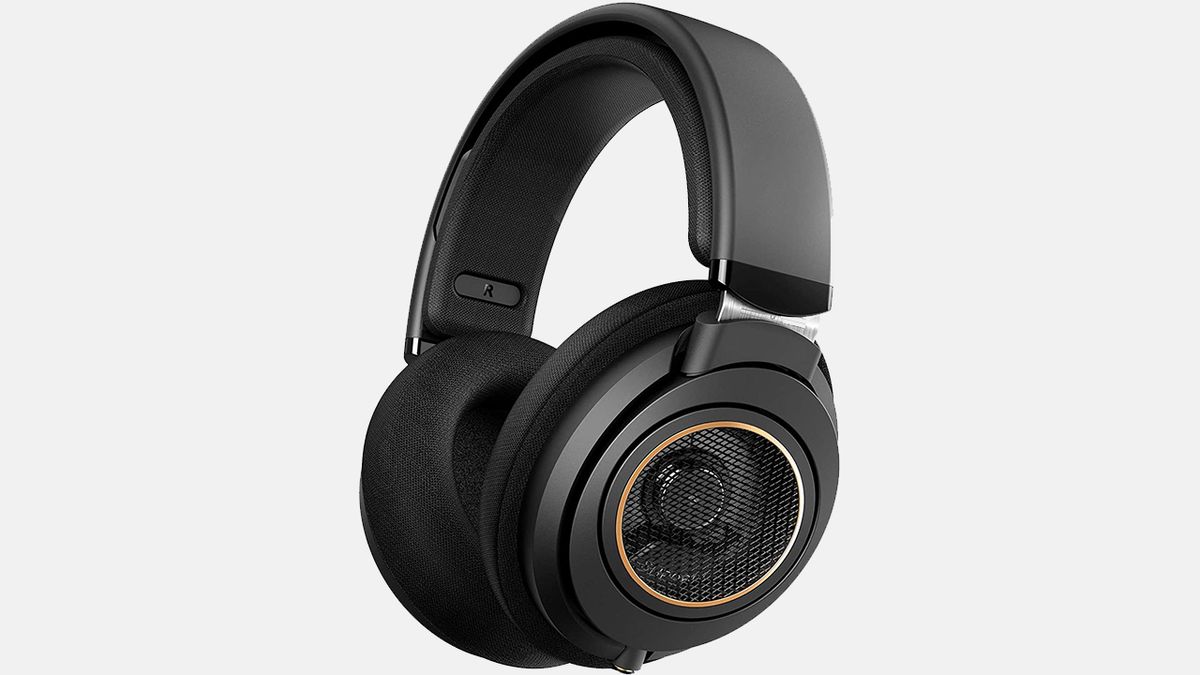
Comprehensive review of the Philips SHP9600 open-back headphones. Discover the sound quality, comfort, and value of these popular headphones for casual and critical listening applications.
Philips SHP9600 Review: Affordable Open-Back Headphones with Notable Compromises
The Philips SHP9600 has developed a devoted following among enthusiasts seeking affordable open-back headphones. These over-ear headphones promise both casual listening pleasure and critical monitoring capability. But do they truly deliver on their reputation, or have they been oversold by enthusiastic fans? This comprehensive review examines whether the SHP9600 deserves its popularity.
Open-Back Design Philosophy
Before diving into specifics, it’s important to understand what open-back headphones offer and sacrifice. Unlike closed-back designs that seal around your ears, open-back headphones allow air and sound to pass through the ear cups. This design philosophy typically delivers more spacious, natural sound with reduced pressure buildup and less bass resonance. However, they provide no isolation—you’ll hear your environment, and others will hear what you’re listening to.
The SHP9600 embraces the open-back approach fully, making them suitable for quiet home listening environments but impractical for offices, public spaces, or anywhere noise matters.
Sound Signature and Frequency Response
The Bass Story
Analysis of the SHP9600’s frequency response reveals interesting characteristics. The sub-bass region shows expected under-emphasis—not surprising given the open-back design that can’t pressurize the ear for deep bass. However, the bass and mid-bass frequencies actually show slight over-emphasis.
This means perceived bass is stronger than you might expect from open-back headphones. The SHP9600 delivers solid bass presence and impact without the excessive boom that plagues many closed-back designs. This makes them surprisingly versatile across music genres, though bass purists seeking sub-bass extension will still find limitations.
Midrange and Treble Characteristics
The frequency analysis reveals some under-emphasis in the 2-4 kHz range—a crucial area for clarity, presence, and intelligibility. This recession creates a slightly veiled character where fine details don’t quite sparkle as they should.
There’s also a boost around 8 kHz, which adds some brilliance and air but can occasionally emphasize sibilance in vocals and create a slightly hot top-end on certain recordings.
Despite these deviations, the overall frequency response doesn’t exhibit excessive coloration. The SHP9600 stays reasonably close to the original recording, which is commendable at this price point.
Overall Tonal Balance
The net result is a sound signature that’s generally pleasant and engaging without being drastically colored. The solid bass performance anchors music well, the midrange—while slightly recessed in the presence area—doesn’t sound hollow or distant, and the elevated treble provides sparkle without becoming piercing.
If the 2-4 kHz range were more present, bringing vocals and lead instruments more forward, the SHP9600 would be genuinely impressive in this price category. As it stands, they’re very good with one notable compromise.
Music Performance Across Genres
Testing the SHP9600 with various musical styles reveals their strengths and limitations:
Rock and Pop: The solid bass and decent midrange handling make these enjoyable for mainstream genres. Guitars, drums, and vocals all come through clearly, though lead vocals could use more presence.
Classical and Acoustic: The open-back design benefits complex orchestral works and acoustic instruments, providing space and air that closed-back designs struggle with. The slight treble elevation enhances strings and brass nicely.
Electronic and Hip-Hop: The surprising bass performance makes these more capable with bass-heavy genres than typical open-back headphones, though they still can’t match closed-back designs for sub-bass impact.
Jazz and Vocals: The recessed 2-4 kHz range becomes more noticeable with voice-forward material, where you want intimate vocal presence. Still enjoyable, but not ideal for jazz vocal enthusiasts.
Vocal Reproduction
For both male and female vocals, the SHP9600 delivers consistent performance—which is both good and limiting. The slight emphasis in low frequencies adds welcome warmth and body to voices, preventing them from sounding thin or reedy.
However, the under-emphasis in the 2-4 kHz range means vocals lack some of the forward presence and intimacy that makes singers feel like they’re performing directly for you. The 8 kHz boost adds some air and sparkle to voices but can occasionally emphasize sibilance, making “S” and “T” sounds slightly sharp.
The consistency across male and female voices is noteworthy—the drivers handle both registers similarly, suggesting well-behaved driver performance across frequencies.
Spoken Word and Podcast Performance
For audiobooks, podcasts, and video content, the SHP9600 performs admirably. The slight warmth from the bass emphasis makes voices sound natural and full-bodied. The reduced 2-4 kHz presence is less problematic with spoken word than with music because speech occupies a narrower frequency range.
The slight sibilance from the 8 kHz boost is noticeable with some voices but rarely becomes fatiguing or distracting. Long listening sessions with spoken content remain comfortable and engaging.
Gaming Performance
While open-back headphones aren’t traditionally the first choice for gaming, the SHP9600 proves surprisingly capable:
Soundstage and Imaging: The open-back design creates a more spacious, natural environment compared to most closed-back gaming headsets. The passive soundstage helps with directional awareness and positioning—you can distinguish where sounds originate in the game world.
Comfort for Long Sessions: The lightweight design and breathable open-back construction make extended gaming marathons comfortable. You won’t experience the heat buildup and pressure fatigue common with closed gaming headsets.
Environmental Awareness: The open design means you’ll hear your surroundings—phones ringing, family members calling, doorbells. This can be positive or negative depending on your situation.
Audio Quality: Game audio benefits from the solid bass reproduction and decent overall balance. Explosions have adequate impact, environmental details come through clearly, and voice communication is intelligible.
The primary limitation is the lack of isolation. If you’re in a noisy space or others nearby need quiet, the SHP9600 won’t work for gaming. But in a quiet room, they provide excellent gaming performance at their price point.
Build Quality and Durability
The SHP9600 construction is entirely plastic, but it doesn’t feel cheap or fragile. The materials seem carefully selected for light weight without excessive flimsiness.
Adjustment and Articulation
The headband provides good extension range with positive-locking positions that are numbered for easy recall. The ear cups rotate significantly for comfort and compact storage but offer limited side-to-side articulation.
Cable Design
The detachable cable uses a standard 3.5mm connection on both ends—no proprietary connectors. This is genuinely user-friendly: if the cable fails, you can replace it with any standard 3.5mm aux cable. The included cable is of reasonable quality, though it remains somewhat kinked even after extended use.
A screw-on quarter-inch adapter is included for professional audio equipment and headphone amplifiers.
Ear Pads and Comfort
The ear pads feature a slightly textured material that’s soft and comfortable without being luxuriously plush. They don’t retain excessive heat thanks to the open-back design, making long listening sessions comfortable.
However, the clamping force is on the firmer side. New users may find this creates more pressure than desired, though the force typically relaxes somewhat with use.
There’s adequate space inside the ear cups for most users, and the moderate depth means your ears shouldn’t press against internal drivers.
Durability Concerns
After extended use, the SHP9600 shows no signs of deterioration—a positive sign at this price point. The plastic construction seems durable enough for regular home use, though these don’t inspire the same confidence as more robust designs for travel or rough handling.
Specifications and Amplification
The SHP9600 features an extended frequency response specification claiming reach up to 35 kHz—well beyond human hearing range. While this extreme extension is largely marketing, it indicates the drivers are designed for excellent high-frequency performance.
Importantly, these headphones are very easy to drive. They achieve excellent volume from phones, tablets, computers, and portable devices without requiring dedicated amplification. However, they scale reasonably well with better amplification, so using them with an audio interface or headphone amp can reveal additional detail and control.
Sound Isolation and Leakage
As open-back headphones, the SHP9600 provides zero isolation. Environmental sounds pass through freely, and your audio broadcasts loudly to anyone nearby. These are strictly for private, quiet listening environments—not offices, libraries, public transportation, or shared spaces.
Value Proposition
The SHP9600 represents solid value in the open-back category. You’re getting a comfortable, lightweight design with surprisingly good bass performance, decent overall tonal balance, and the spacious sound characteristic of open-back headphones.
The non-proprietary cable design adds value through easy replaceability. The included quarter-inch adapter and reasonable build quality contribute to the overall value equation.
Who Should Buy the SHP9600?
Ideal Candidates
- First-time open-back buyers wanting to experience the design at low cost
- Casual listeners seeking comfortable headphones for home music and video consumption
- Gamers in quiet environments who value soundstage and comfort over isolation
- Budget-conscious enthusiasts wanting decent sound quality without significant investment
- Podcast and audiobook listeners seeking comfortable all-day wear
Look Elsewhere If You Need
- Critical mixing and mastering capability – The recessed 2-4 kHz range limits accuracy for professional work
- Sound isolation – These provide none whatsoever
- Maximum bass extension – Sub-bass is limited by the open-back design
- Premium build quality – The plastic construction serves but doesn’t impress
- Vocal intimacy – The presence dip affects vocal engagement
Comparison Context
In the affordable open-back space, the SHP9600 competes with models like the Audio-Technica ATH-AD500X, Samson SR850, and various Superlux offerings. The Philips generally holds its own with its superior bass performance and comfortable design, though some competitors offer better midrange clarity.
Final Assessment
The Philips SHP9600 succeeds as an affordable entry point into open-back headphone listening. They deliver the spacious, natural sound that defines the category while providing surprisingly robust bass performance that makes them more versatile than many open-back alternatives.
The primary compromise—the recessed 2-4 kHz range—prevents them from achieving greatness. This frequency dip affects vocal presence and overall clarity in ways that limit their effectiveness for critical listening and professional applications.
However, for casual home listening, gaming in quiet environments, and general entertainment consumption, the SHP9600 performs admirably. The comfort level supports extended wear, and the price makes them an easy recommendation for anyone curious about open-back sound who doesn’t want to invest heavily.
The SHP9600 deserves much of its popularity, though perhaps not quite the enthusiastic zealotry some fans display. They’re very good headphones for the money with one notable flaw—which, represents a reasonable trade-off for most users.
Related posts:
 Superlux HD681 Headphones Review: Are These Semi-Open Headphones Still Worth It in 2025?
 Shure SRH1840 Open-Back Headphones Review: Professional Mastering Excellence
 One Audio Monitor 80 Headphones Review: Did OneOdio Really Make These Open-Back Budget Champions?
 Shure SRH550DJ Headphones Review: Affordable DJ Monitoring with Trade-offs
 Sennheiser HD200 Pro Headphones: Detailed Review and Audio Tests
 Beyerdynamic DT 900 Pro X Review: Open-Back Excellence with Distinctive Character
 M-AUDIO HDH40 Headphone Review: A Real Budget Option?
 Kiwi Ears ARDOR ANC Headphone Review: Surprising Coaxial Driver Tests